
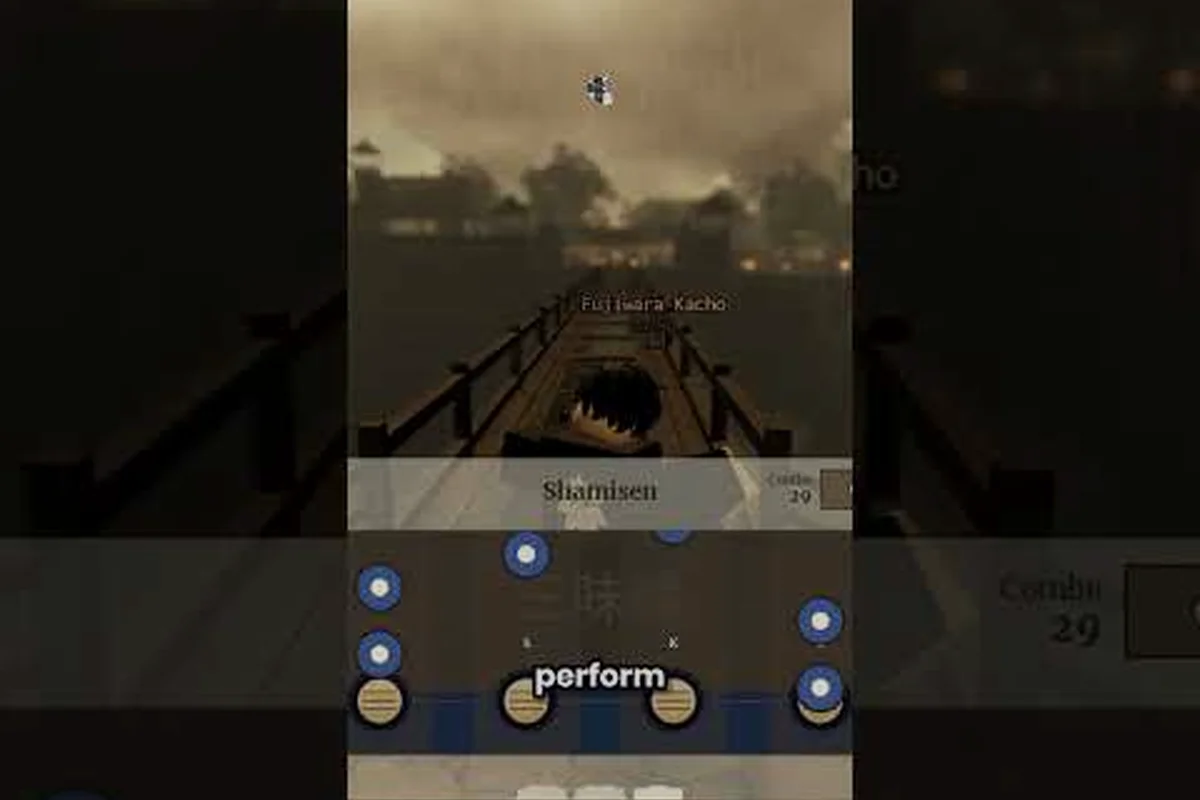
Shogun's Reign drops every player into the Shogun's Reign Edo era, a 1603–1868 window of rigidly enforced hierarchy, rice-grain paychecks, and castle-town politics. The game mirrors the historical Tokugawa caste system so closely that your in-game class, your daily tax, and even the roads you can walk change the moment you rank up or down. Understanding that scaffolding early is the difference between grinding as a faceless peasant and commanding a domain as a sworn daimyo.
This guide walks through every layer of the Shogun's Reign caste system, from the bottom of the rice paddy to the roof of the castle keep. You will see the exact Ryō cost of each promotion, the dialogue permissions tied to social classes, and the route players most often take to break into the daimyo bracket before the second season resets.
How the Shogun's Reign Caste System Works
The Shogun's Reign caste system is a vertical ladder, not a free-form class picker. Every spawn places you at the bottom, and the only way to climb is to accumulate a combination of Honor Points, Rice Tax Credits, and Clan Allegiance that the regional magistrate verifies before stamping your next permit. There are no alternate factions that skip the line: the same ladder governs every player on the server, and only the pace differs.
The Four Tiers at a Glance
The game collapses the historical four-class structure into four playable brackets. Each bracket comes with its own salary multiplier, dialogue tree, and travel restrictions. Cross-tier conversations are filtered by the engine, so a peasant literally cannot read the body language of a passing daimyo without first buying the Court Manners skill.
| Tier | Historical Class | Starting Ryō / Day | Dialogue Tier | Can Equip War Fan |
|---|---|---|---|---|
| Tier 1 | Peasant (farmers, artisans, merchants) | 1–3 | Common | No |
| Tier 2 | Samurai (retainers, ashigaru) | 8–14 | Formal | Yes (basic) |
| Tier 3 | Daimyo (feudal lords, castle rulers) | 40–60 | Court | Yes (gold inlay) |
| Tier 4 | Shogun (supreme military ruler) | 250+ | Imperial | Yes (ceremonial) |
The Peasant bracket is the largest by population. Roughly 65% of new characters spend their first 20 hours here, and it is where the game's field-work and crafting professions are concentrated. Moving to Samurai doubles your daily Ryō immediately and unlocks the dojo, but it also introduces a Bushido meter that drains if you refuse a magistrate's duel.
Why the Ladder Matters for Roleplay
The social classes in Shogun's Reign are not cosmetic. A merchant who reaches daimyo status gains a personal castle, a banner that grants +15% morale to nearby retainers, and a seat at the regional council vote. A samurai who remains samurai forever is locked out of land ownership and cannot plant a permanent rice paddy. This is why most players treat rank promotions as seasonal goals rather than aesthetic choices.
The historical Edo period on Wikipedia confirms the same logic: rice was currency, status dictated speech, and even the width of your sleeve told strangers which guild you belonged to. Shogun's Reign adopts those rules almost one-to-one, which is why the Shogun's Reign setting overview reads less like a game manual and more like a social-studies primer.
Climbing From Peasant to Samurai
The peasant-to-samurai transition is the first wall most players hit. It costs 500 Ryō for the magistrate's stamp, 300 Honor Points earned through field labor or smithing commissions, and a signed letter of introduction from a current samurai. Without all three, the promotion office at the castle gate will reject the request, even if your wallet is thick.
Field Professions That Build Honor Fast
Honor is not a quest reward; it accrues from the same trade profession grind that pays your rice tax. The fastest routes reported by community data are:
-
Rice Farming in the Yodo River basin — 12 Honor per harvest, repeatable every 25 real-time minutes.
-
Blacksmith Apprentice at the Ashida forge — 18 Honor per weapon delivered, but requires a 2-hour shift commitment.
-
Woodcutter in the Kiso highlands — 9 Honor per cart, with a bonus 5 Honor if you deliver before the tax collector's deadline.
Of these, blacksmithing is the most efficient Honor-per-hour, but farming is the lowest risk for players who log in casually. Community testing suggests the median player reaches the 300-Honor threshold in roughly 9 days of real-time play, assuming 90 minutes per day.
What Unlocks at Samurai Rank
The samurai bracket is where Shogun's Reign's combat layer starts to feel real. You unlock the Dojo Training minigame, the Seppuku dueling system, and access to the Sword Peddler who sells iron and steel katanas for 80–220 Ryō. You also gain the right to wear the topknot hair, which is required for entry into the next tier's dialogue.
Players who plan to chase the samurai and noble ranks should bank an extra 200 Ryō for the Honor Guard uniform, because walking into the daimyo court in peasant sandals triggers an instant 40-Honor penalty that wipes out roughly three full harvests.
The Daimyo Bracket and Castle Ownership
The daimyo tier is the bracket most players associate with "winning" the Shogun's Reign feudal Japan loop. It is also the bracket with the highest gatekeeping. The promotion costs 5,000 Ryō, 2,000 Honor Points, and a Clan Allegiance score of at least Tier 3 with one of the four major houses (Tokugawa, Toyotomi, Date, or Uesugi).
The Four Major Clans
Each clan controls a different region of the map, and your clan choice determines which castle, which rice paddy network, and which seasonal siege you will defend. The bonuses are not balanced; they are tuned to encourage repeat playthroughs.
| Clan | Region | Castle Bonus | Rice Tax Discount | Siege Frequency |
|---|---|---|---|---|
| Tokugawa | Kanto plain | +20% retainers | 5% | Low |
| Toyotomi | Kansai coast | +15% trade ships | 10% | Medium |
| Date | Tohoku highlands | +25% ashigaru morale | 0% | High |
| Uesugi | Sea of Japan coast | +10% naval raids | 8% | Medium |
The rank ladder guide tracks the seasonal win rates of each clan. According to community data from the last three resets, the Tokugawa clan averages the highest retainer retention, which makes its castle bonus the most reliable passive income source for first-time daimyo.
Castle Management Basics
Once you hold a castle, you gain access to the Treasury, the Barracks, and the Audience Hall. The Treasury stores your accumulated Ryō and is taxed at 12% per real-time month. The Barracks train new ashigaru at a rate of 1 soldier per 4 hours, and the Audience Hall is where you sign edicts that raise or lower the local tax rate.
A common rookie mistake is to drop the tax rate to zero to win popularity. This backfires fast: the regional magistrate audits your ledger on day 30, and a tax rate below 4% triggers a Misrule debuff that costs you 300 Honor per week. The community-reported sweet spot is 7–9%, which balances popularity against the magistrate's threshold.
Becoming Shogun and the Endgame Politics
The shogun bracket is the ceiling. Only one player per server holds the title during a given season, and the title rotates every 90 real-time days. Reaching the top requires 20,000 Ryō, 8,000 Honor Points, Clan Allegiance Tier 5 with the ruling house, and victory in a server-wide Siege of Edo event that takes place on the final weekend of the season.
The Siege of Edo Mechanic
The Siege of Edo is a 48-hour capture-the-castle event. The incumbent shogun defends the inner keep, while the top four daimyo by Honor attack in rotating waves. The victor claims the Kingly Kabuto helmet, a permanent +5% honor gain passive, and the right to set the next season's rice tax floor.
| Phase | Duration | Attacker Goal | Defender Advantage |
|---|---|---|---|
| Outer Wall | 12 hours | Breach 3 gates | Reinforcements every 90 min |
| Bailey | 18 hours | Capture armory | Inner well poison trap |
| Inner Keep | 18 hours | Plant banner | Kabuto stat bonus |
The mechanic rewards preparation over raw power. Players who spend the two weeks before the siege stockpiling Siege Ladders, Matchlocks, and Rice Balls in the castle vault consistently outperform fresh daimyo who rush in with a full purse but no logistics.
What the Shogun Title Actually Does
The shogun is not a god mode. You cannot unilaterally ban a player, rewrite the caste system, or set custom tax rates. The title grants three concrete benefits: a 250 Ryō daily stipend, a private audience with the developer team for balance feedback, and a Shogunate Edict that you can use once per season to lower the daimyo promotion cost for the entire server by 1,000 Ryō.
That last perk is the real endgame. A well-timed edict can trigger a mass promotion wave, which in turn floods the castle sieges with new contenders, which in turn makes the next season's political landscape more dynamic. The best shogun in the lore timeline are remembered not for their dueling record but for the edicts that reshaped the next two seasons.
Frequently Asked Questions
How long does it take to reach daimyo in the Shogun's Reign Edo era?
Most players reach the daimyo tier in roughly 30–45 days of real-time play, assuming 90 minutes per day. The bottleneck is usually the 2,000 Honor threshold, not the 5,000 Ryō purse, because Honor caps at 80 per day through field labor.
Can a peasant be promoted directly to daimyo?
No. The Shogun's Reign caste system requires every character to pass through the samurai tier first. Skipping the samurai bracket is treated as a magistrate bug, and the promotion office will reject the request with a "Lost in Transit" message.
Which clan is best for first-time daimyo?
According to community data, the Tokugawa clan offers the lowest-risk first playthrough. Its +20% retainer bonus and 5% rice tax discount smooth the early castle-management curve, while its low siege frequency lets new daimyo learn the siege mechanic without burning their seasonal budget on defense.
Do social classes affect combat damage?
Yes, but only through equipment and skill access, not raw stat multipliers. A samurai-tier player with an iron katana deals roughly the same damage as a daimyo-tier player with the same iron katana. The real combat difference comes from the War Fan proficiency, which is locked above the samurai tier and adds a 10% crit chance to finishing blows.
What happens to my castle if I miss a season's siege?
If you fail to defend your castle during the siege event, you lose the Castle Deed and drop back to the samurai bracket. Your accumulated Ryō and Honor are preserved, but you must re-earn your clan's Tier 3 Allegiance before applying for a new castle promotion, which adds roughly 10 extra days to the recovery path.