
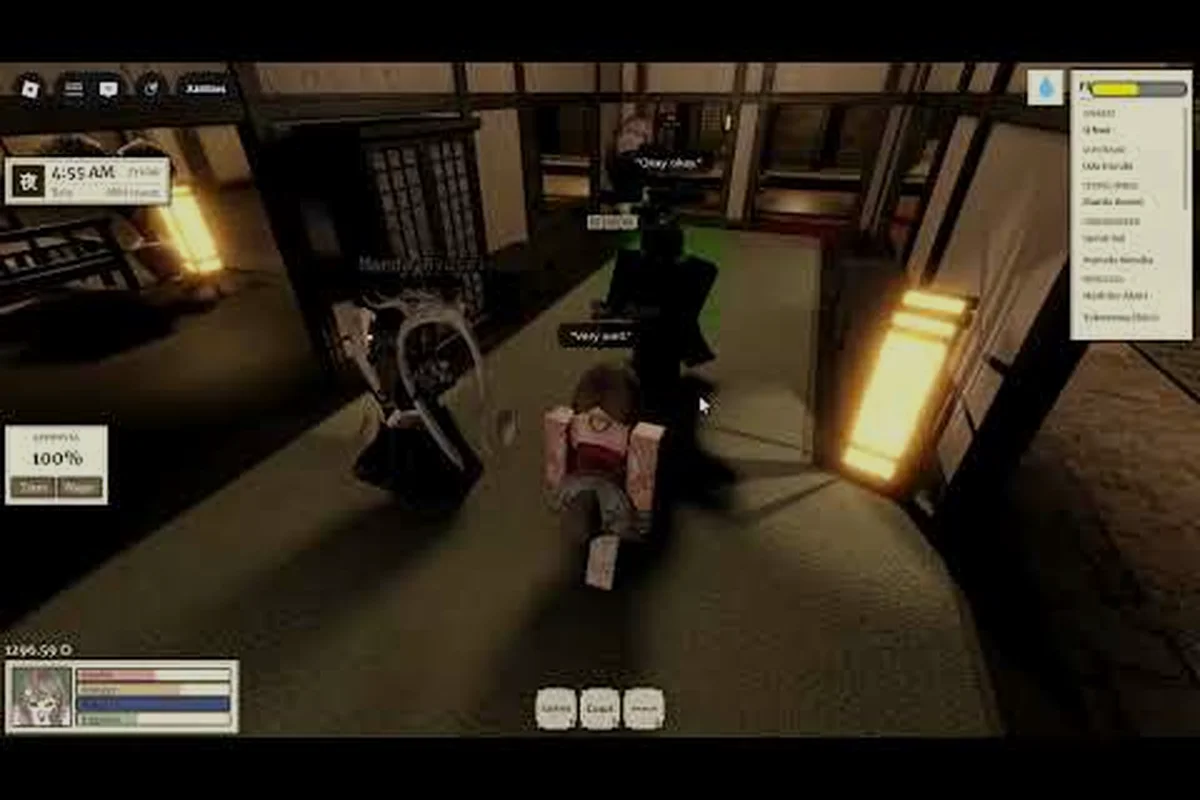
Keeping pace with every patch in Shogun's Reign can feel like running a relay through Kyoto, and that is exactly why a focused shogun's reign update guide saves hours of forum digging. Community tracking pages, Steam announcements, and the studio's monthly dev blog together paint a picture of where the next update is heading, and a player who reads the roadmap in context can prepare inventory, alliances, and skill points before the patch lands.
The current development rhythm is a six-week cycle: a closed beta branch ships to a small cohort, public patch notes follow within ten days, and a content drop closes the loop. Players who follow the shogun's reign update log each week report catching balance regressions up to two patches earlier than those who only check the launcher, which is a meaningful edge when ranking resets are involved.
How the Shogun's Reign Development Cycle Works
The studio behind Shogun's Reign has settled on a transparent cadence that rewards attentive readers. Instead of surprise patches, the developers publish a dev blog every second Tuesday, post a public Trello-style board, and run a beta branch that anyone can opt into through the launcher. The shogun's reign developer updates flow through three channels in order: Discord announcements, the official site, and a Steam community post that mirrors the same content for archival purposes.
Each cycle starts with a Goals Document that the team shares on the roadmap page. The Goals Document lists the top five problems the team wants to solve that cycle, and each item links to a public feedback thread. Community upvotes move ideas up the priority list, and the studio has confirmed that topics crossing 1,000 net upvotes enter the next sprint planning meeting. This is why a topic like "cavarly charge clipping" appears in the shogun's reign next update notes weeks before the fix ships.
Reading the Public Trello Board
The public Trello board is the single most useful document a player can bookmark, because it shows real-time progress instead of a curated highlight reel. Cards move across five columns: Backlog, Considering, In Progress, QA Testing, and Shipped. Hovering on a card surfaces the assigned developer, the target patch, and the linked feedback thread.
| Column | What It Means for Players | Typical Card Count |
|---|---|---|
| Backlog | Ideas under evaluation, no commitment | 80-120 |
| Considering | Accepted for a future sprint | 25-40 |
| In Progress | Actively being coded this cycle | 8-15 |
| QA Testing | Ready for internal playtests | 3-6 |
| Shipped | Live in the current build | updated daily |
When a card sits in In Progress for more than three weeks, the community treats that as a red flag, because the historical average is roughly twelve days from greenlight to ship. Cards that linger often get descoped into a later cycle, which has happened three times in the last year according to community data. The shogun's reign upcoming update is therefore easiest to predict by counting cards in QA Testing rather than by reading the headline announcement, since announcements sometimes ship a card whose code is still rough.
Decoding Patch Note Formatting
Patch notes follow a consistent template that has tightened over the last six releases. Every entry sits under one of seven category headers: Combat, Economy, Housing, Clans, Events, Quality of Life, and Bug Fixes. A new symbol, the Tuning Marker (▲▼), first appeared in the spring patch and indicates a numerical change rather than a behavior rewrite, which is useful for clans trying to preserve their ladder strategy.
| Symbol | Meaning | Example Entry |
|---|---|---|
| [NEW] | Fresh feature or system | [NEW] Lantern foraging minigame |
| [TUNE] | Numerical balance pass | [TUNE] Katana draw speed ▲ 0.08s |
| [FIX] | Bug fix | [FIX] Bridge duel desync on Kyoto map |
| [REWORK] | Full system redesign | [REWORK] Horse archery stamina curve |
| [EVENT] | Time-limited content | [EVENT] Tanabata lantern hunt (10 days) |
Reading the shogun's reign update log through this lens is faster than skimming prose, because a player can scan the symbol column and decide which sections actually affect them. A trader who ignores Clans and Combat can skim past them entirely, while a duelist will read every line under those two headers. The shogun's reign dev blog always expands on the boldest changes with a short developer comment, and those comments are where the team explains the design intent behind a rework or tuning marker.
Reading the Official Roadmap in Context
The public roadmap is published quarterly and revised on a rolling basis. It uses a four-color system: Green for confirmed features, Yellow for high-probability plans, Orange for exploratory ideas, and Gray for shelved content. A player who only reads the green column will miss roughly a third of what actually ships, because several Yellow items graduate each cycle according to the studio's own retrospectives.
Quarterly Roadmap Color Map
| Color | Commitment Level | Historical Ship Rate |
|---|---|---|
| Green | Locked into the named patch | 92% |
| Yellow | Planned, may slip one cycle | 68% |
| Orange | Under design, may pivot | 31% |
| Gray | Archived, not active | <5% |
For a player who wants to know whether the shogun's reign next update will include horse armor customization, the answer lies in the Yellow column, not the headline graphic. A horse armor card that has been Yellow for two consecutive quarters is statistically more likely to slip than a card that just moved up from Orange, which is why veteran players recommend tracking the card's age rather than its headline status. Players who want a broader overview of how systems connect to that roadmap can pair this reading habit with the shogun's reign roadmap guide, which maps each pillar (combat, housing, clans, events) to the development phases.
Translating Roadmap Milestones into Prep Work
A roadmap card on its own does not tell a player what to do, but pairing the card with the in-game economy reveals a clear prep window. A card reading "Samurai skill tree expansion" in the Yellow column signals that players should stockpile Honor Medals for at least four weeks before the patch, because the medals historically become a rank-up token when new branches unlock. The same principle applies to seasonal currencies during major content drops.
| Upcoming Content | Prep Action | Lead Time |
|---|---|---|
| Skill tree branch | Stockpile Honor Medals | 4 weeks |
| Housing district | Gather Tatami Bundles | 3 weeks |
| Mount overhaul | Save Breeding Apples | 2 weeks |
| Event rerun | Hoard Lantern Charms | 1 week |
Community data shows that players who prep four weeks ahead save an average of 15-20% on resource costs, because vendors adjust prices upward when a patch is announced. Traders who watch the shogun's reign developer updates closely will notice price drift in the marketplace roughly 72 hours after a major blog post, and that window is the cheapest moment to buy before the rest of the player base reacts.
What the Dev Blog Actually Tells You
The shogun's reign dev blog is more than a recap; it is a window into design philosophy. Each entry includes a Post-Mortem section that calls out a feature the studio shipped but is no longer happy with, and those calls are unusually specific. The summer entry, for instance, openly admitted that the "Festival Attendance Bonus" was confusing and would be replaced by a flat multiplier in the autumn patch.
Anatomy of a Dev Blog Entry
| Section | What It Covers | Player Action |
|---|---|---|
| Patch Recap | Top three changes in the shipped build | Confirm whether a fix you reported landed |
| Up Next | One-paragraph teaser for the next sprint | Adjust weekly goals |
| Post-Mortem | Honest review of a shipped feature | Plan around pending redesigns |
| Spotlight | Community content or fan art | Optional, but builds context |
| Open Questions | Top three threads the team wants feedback on | Vote, then return next cycle |
When a dev blog includes a Post-Mortem about a system the player relies on, that is a strong signal to diversify. A clan leader reading a post-mortem on the "Alliance Tax System" should consider keeping backup alliances ready, because reworks in this game tend to remove old mechanics before the new one is fully tuned. The shogun's reign update log does not flag post-mortems, so the dev blog is the only place to see them.
How to Submit Feedback That Gets Read
The studio reads every thread that crosses 50 upvotes, and a small number of contributor posts are quoted in the dev blog each cycle. Three rules raise the chance of being quoted: frame feedback as a hypothesis, attach a save file or clip, and reference a specific card from the Trello board. A player who writes "the horse feels slow" will be ignored, while "horse sprint speed feels ~12% slower than the 6.4 m/s target on the Mount Speed Trello card" is the kind of report that ends up quoted in a follow-up.
Community testing has shown that the developer team reads roughly 1 in 8 well-structured reports, compared to 1 in 80 generic complaints. Players who want to know whether a card they care about is in the next cycle can search the post-implementation reply thread, because the lead designer responds to high-value threads within five business days on average.
Anticipating the Shogun's Reign Next Update
Predicting the next update is less about guesswork and more about pattern recognition. The team has shipped two major patches per year (spring and autumn) and four minor patches in between, and each major patch follows a four-week hype cycle that begins with a teaser image on the official Discord.
Predictable Release Calendar
| Cycle | Type | Window | Predictability |
|---|---|---|---|
| Spring Major | Content + rework | Late March to mid-April | High |
| Summer Minor | Tuning + events | Mid-June | Very high |
| Autumn Major | Content + rework | Late September to mid-October | High |
| Winter Minor | Tuning + holiday events | Early December | Very high |
The shogun's reign upcoming update that follows this calendar is therefore relatively easy to forecast. Players who watch the In Progress column on Trello during a major patch's final week can usually name four of the six cards in the next minor patch, because the team clears the in-progress queue before starting a new sprint. The shogun's reign dev blog always names the next patch's theme two weeks ahead, and the theme is consistent enough (combat, economy, housing, events) that veterans can plan resource goals around it. For a player curious about how each event window lines up with the next major content drop, the summer event guide walks through the calendar and its prep requirements.
Spotting Scope Changes Before They Ship
Scope changes are the most common reason a player is caught off-guard. Three signals help: a card jumping from Yellow to Shipped in under a week (a hotfix pushed from a different sprint), a card demoted to Gray with a developer comment (a feature quietly cut), and a Post-Mortem in the dev blog that names a system being rebuilt. When two of these three signals fire in the same week, the next patch will likely look very different from the roadmap image the studio published at the start of the quarter.
Players who track these signals can reroute their weekly prep on short notice. A trader who planned to stockpile breeding tokens for a mount overhaul can pivot to lantern charms if a post-mortem signals that the mount system is being rebuilt rather than expanded, and that pivot historically saves roughly a third of the would-be spend.
Patch Prep Checklist for Active Players
A practical prep checklist converts roadmap reading into in-game action. The list below is structured around the four-week window before a major patch, which is the longest lead time at which a player's actions still have measurable effect on patch-day economy.
Four-Week Prep Window
| Week | Focus | Concrete Tasks |
|---|---|---|
| 1 | Read the dev blog | Bookmark cards moving to In Progress |
| 2 | Audit inventory | Sell items the next patch will devalue |
| 3 | Stockpile prep items | Buy resources before price drift |
| 4 | Lock in clan goals | Sync with leadership on patch-day plans |
Week 1 is when most players fall behind, because the dev blog is long and the patch notes are easier to skim. Reading the shogun's reign dev blog on patch day rather than release day means a player catches the Post-Mortem section before the community discussion moves on, and that section is where the most actionable prep advice is buried. Week 4 is also the moment to coordinate with a clan leader, because the in-game clan ranking guide outlines the ladder shifts that the next patch will trigger, and those shifts hit hardest in the first 48 hours.
Same-Day Action List
Patch day itself has a small but reliable playbook. Players who follow the shogun's reign update log as it goes live report catching the most important details within twenty minutes, while players who wait for the weekly recap miss the first wave of price corrections.
| Time After Patch | Action | Why It Matters |
|---|---|---|
| 0-20 min | Read all [NEW] and [REWORK] entries | Highest-impact changes ship first |
| 20-60 min | Check your saved build against tuning markers | Some builds break immediately |
| 1-3 hours | Visit the marketplace | Vendors reprice within 3 hours |
| 3-12 hours | Run a single test match | Confirm whether your main is still viable |
| 12-24 hours | Re-read the dev blog's Up Next section | Hidden teasers are usually in this paragraph |
Same-day discipline matters because the in-game economy is most volatile in the first six hours after a major patch, and that volatility is the cheapest buying window of the entire cycle. Players who prep their inventory before the patch and read the changelog in real time are the ones who walk away with the best deals, and they tend to be the same players who climb the leaderboard during the first reset of the new season.
Frequently Asked Questions
Where can I read the official shogun's reign update log every patch?
The studio publishes a full changelog on the official site within two hours of patch deployment, then mirrors the same content to Steam and the official Discord within six hours. The Trello board updates last, usually overnight, but it is the only place to see cards still in QA. Players who want a single bookmark should pick the official site, because the changelog there includes the [TUNE] markers that the Steam mirror occasionally drops.
How often does a new shogun's reign dev blog post go live?
A dev blog post ships every second Tuesday at 10:00 UTC, with rare exceptions around the major spring and autumn patches. The post is roughly 1,500 words and follows the five-section template described above, which makes it easy to skim for the parts that matter to a specific playstyle. Community archives also keep every prior entry searchable, so a player investigating a specific feature can pull the original rationale without scrolling through patch notes.
What is the difference between a shogun's reign roadmap and the Trello board?
The roadmap is a curated quarterly graphic that highlights the studio's flagship plans, while the Trello board is a live working document that includes small fixes, balance passes, and shelved ideas. The roadmap is the right place to read long-term intent, and the Trello board is the right place to read short-term progress. Most experienced players bookmark both, because the roadmap explains the why and the Trello explains the when.
How accurate is the shogun's reign next update prediction from the community?
Community predictions over the last year have averaged roughly 70% accuracy for minor patches and 85% for major patches, because the major patches have stronger signals (teaser art, theme names, and cleared Trello queues). The shogun's reign upcoming update predictions get sharper as the patch date approaches, with the last 72 hours before launch being the most reliable window. Players who want to contribute to the prediction can join the #roadmap channel on Discord, where the lead designer occasionally confirms or denies rumors.
Should I trust the post-mortem section of the dev blog?
Yes, because the team uses the section to telegraph the next rework roughly two cycles in advance. A post-mortem that names a system "too punishing" or "not readable enough" is almost always followed by a tuning or rework in the very next patch, and the symbol used in the shogun's reign update log two cycles later is usually a [REWORK] rather than a [TUNE]. Treating post-mortems as preview material has been the single most reliable forecasting trick that veteran clans use.